A new national science competition for K12-powered students in grades K–12.
The inaugural K12 Science Fair invites students to turn questions, ideas, and observations into original science projects — then share what they discover in a virtual competition.
Students can compete for $100 People’s Choice prizes in four grade bands, with winners determined by voting in the National K12 Zone.
The K12 Science Fair is a new national opportunity for K12-powered students to explore questions, test ideas, and share what they discover. Projects can take many forms — from hands-on experiments and engineering challenges to coding, data analysis, and investigations of everyday questions.
The focus is on the scientific process: asking a question, developing a hypothesis, testing an idea, analyzing results, and communicating what was discovered.
Compete for $100 People’s Choice Awards
The K12 Science Fair puts the final choice in the hands of K12-powered students!
Twelve finalists — three from each grade band — will have their projects featured in the National K12 Zone, March 1–19, 2027. Students enrolled in K12-powered schools can watch the finalists’ videos and vote once per day for their favorite project in each grade band.
Four $100 prizes will be awarded — one in each grade band:
K–2
3–5
6–8
9–12
Winners can choose between cash and a Tango e-gift card.
Important Dates
November 3, 2026
Registration opens
January 19, 2027
Registration closes
Jan. 22–Feb. 19, 2027
Round 1 judging
February 11–19, 2027
Round 2 judging
February 22, 2027
Finalists notified
March 1–19, 2027
Finalist Showcase & student voting
April 2027
Winners Announced
How the K12 Science Fair Works
The K12 Science Fair has three rounds, taking projects from initial submission to finalist showcase and online voting by enrolled K12-powered students.
Round 1:
Submit a Science Project
Every entry must include written answers explaining:
Hypothesis: What question did the project investigate, and what did the student predict would happen?
Experiment: What materials, methods, and variables were involved?
Results: What happened, and what did the data show?
Conclusions: What did the student learn? Did the results support the hypothesis? What would they investigate next?
Round 2:
Create a 3-Minute Scientist Presentation
Students whose projects advance to the next round will create a three-minute video presentation explaining their project’s guiding question, how they conducted their research or experiment, what they discovered, and what they learned along the way. A panel of judges will review the presentations and select 12 finalists — three from each grade band — to advance to the final round.
Round 3:
Showcase & Student Voting
The 12 finalist projects will be featured in the STEM Silent Zone, a new section of the National K12 Zone, from March 1–19.
Enrolled K12-powered students can watch the finalist videos and vote once per day for their favorite project in each grade band. The project with the most votes in each grade band will be named a K12 Science Fair People’s Choice winner.
There’s More Than One Way to Do Science
Science projects can start with almost any question worth investigating. From experiments and engineering challenges to coding and data analysis, the K12 Science Fair welcomes original projects across a wide range of scientific topics and approaches.
Here are a few ideas to spark inspiration:
Does light color affect plant growth?
Does salt concentration affect how quickly an egg dissolves in vinegar?
How can a package be designed to protect a dropped egg?
How effective is a low-cost water filter?
How quickly do different materials decompose?
How does mulch affect soil moisture?
Which hand-washing method is most effective at reducing bacteria?
How does ramp angle affect a ball’s speed?
How do moon phases relate to tides?
Does room color affect mood or focus?
Does screen time before bed affect sleep quality?
How accurately can a chatbot answer questions?
How accurately can a machine-learning model sort recyclables?
How Finalists Will Be Selected
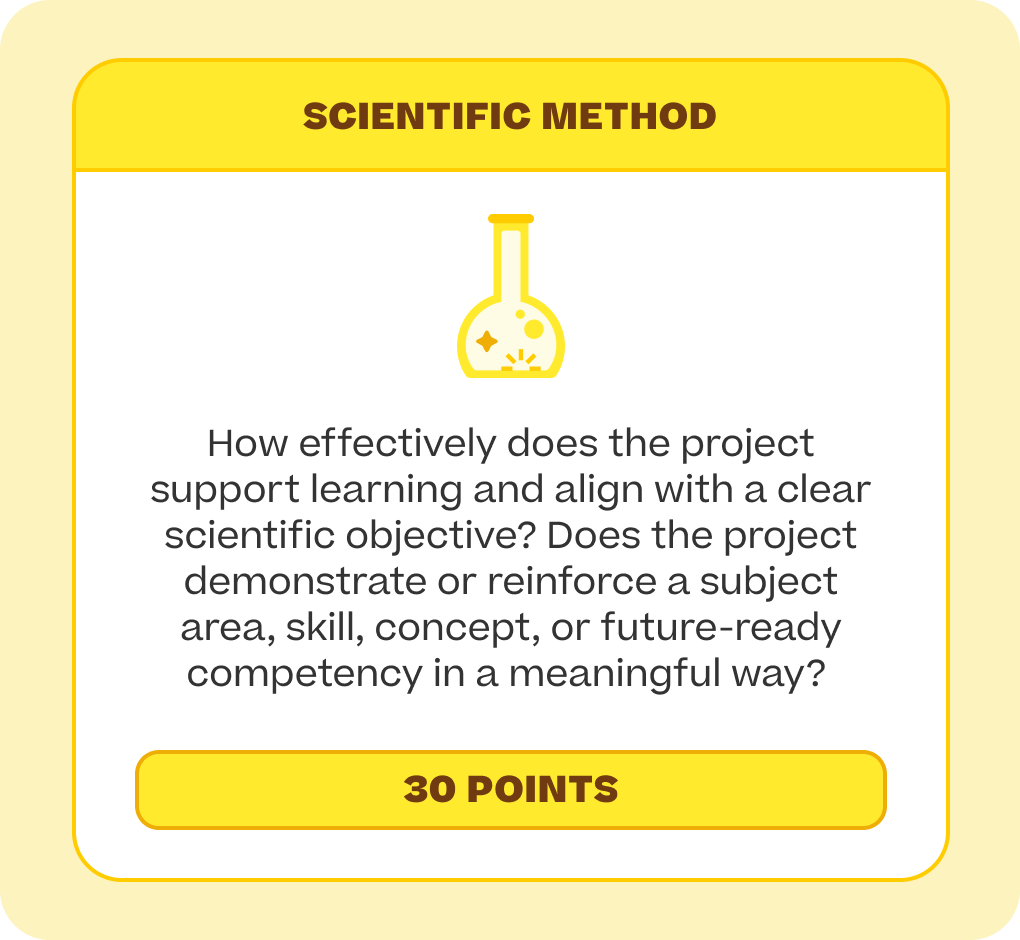
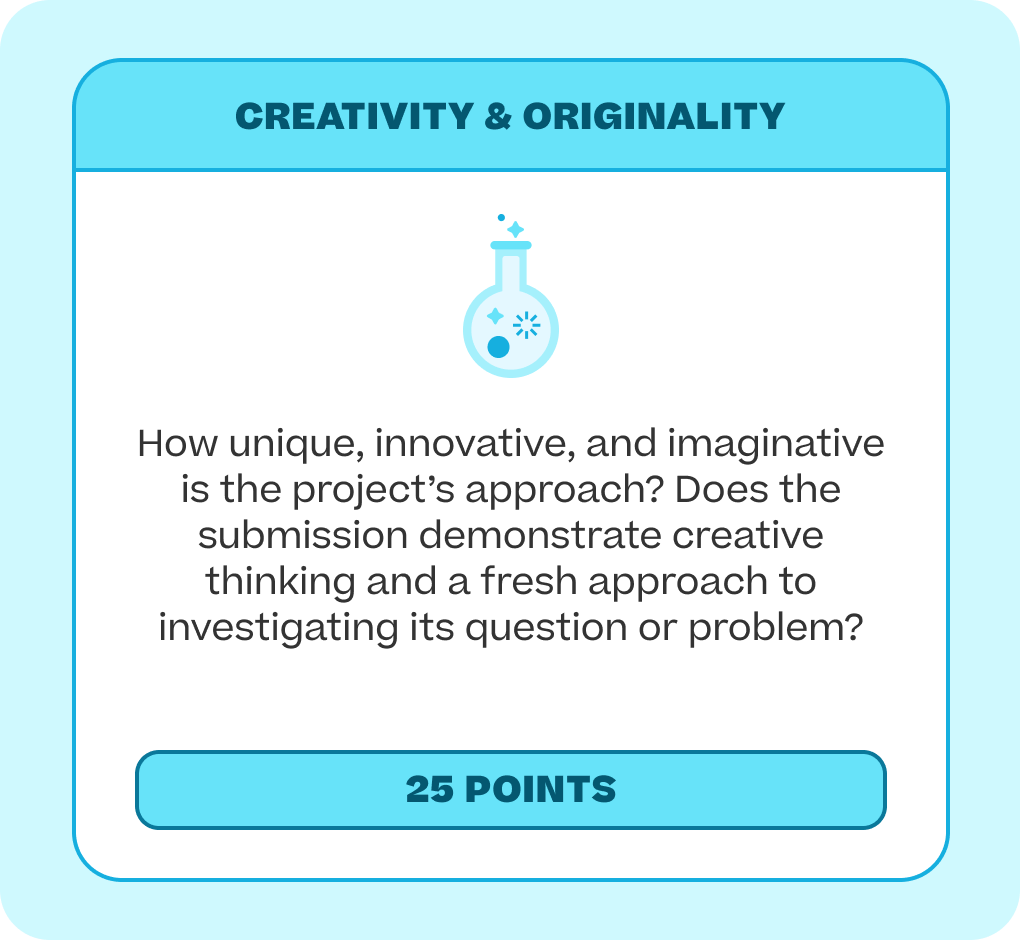
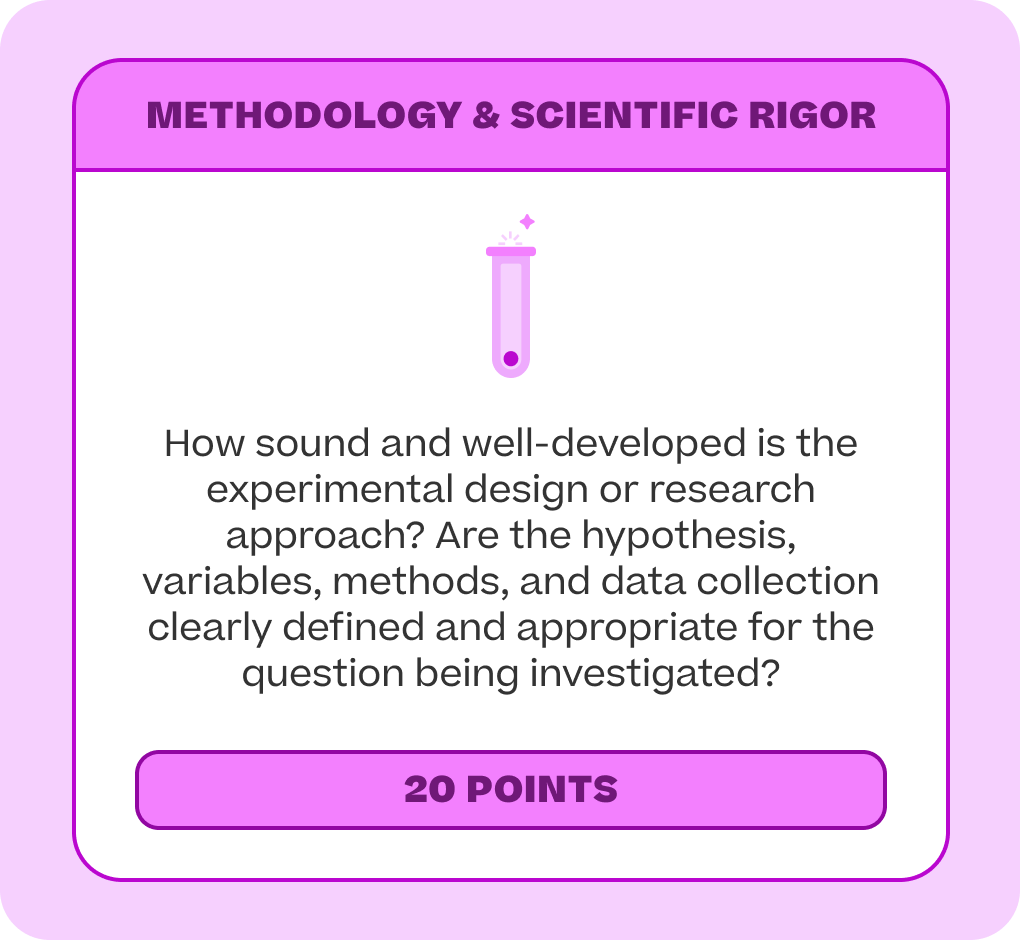
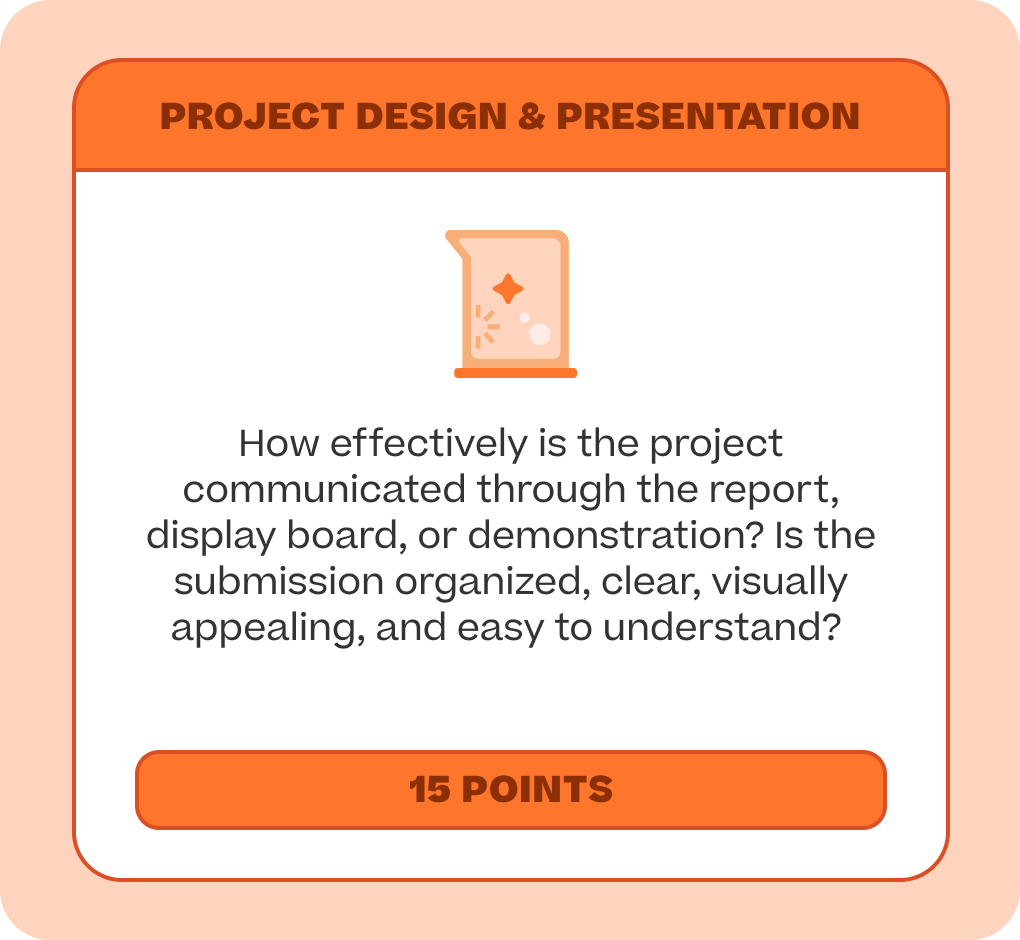
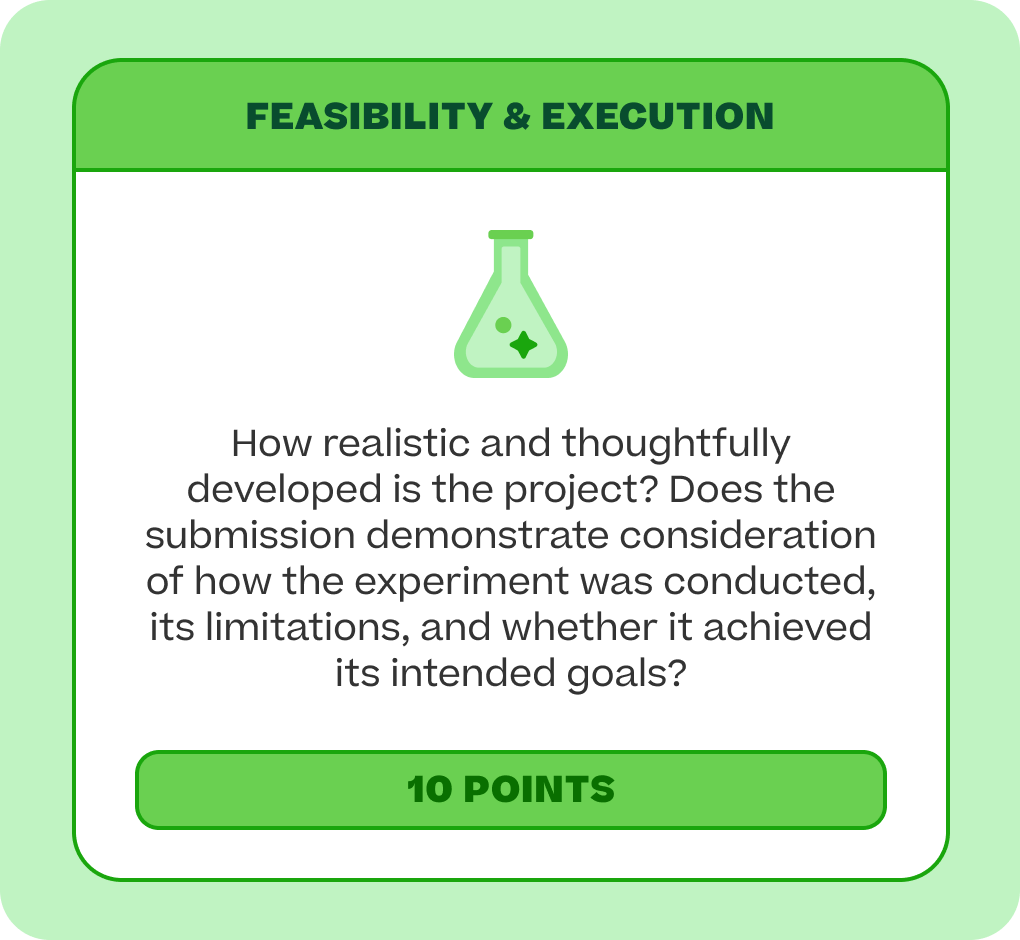
A panel of judges will evaluate Round 2 presentations using five criteria:
The inaugural K12 Science Fair marks the start of a new tradition.
Students whose projects advance to the next round will create a three-minute video presentation explaining their project’s guiding question, how they conducted their research or experiment, what they discovered, and what they learned along the way. A panel of judges will review the presentations and select 12 finalists — three from each grade band — to advance to the final round.