Migration is one of those natural phenomena that can be hard to fully appreciate until you see it in action. During a recent K12 Virtual Field Trip, students were able to get an up-close look at some of the migrating and resident birds found at the South Padre Island Birding & Nature Center & Alligator Sanctuary.
From the comfort of home, participants explored Texas coastal wetlands while learning about unique bird behavior though exciting technology that brought viewers up close with nature.
What is the South Padre Island Birding & Nature Center & Alligator Sanctuary?
Located on the southern tip of Texas, the South Padre Island Birding & Nature Center & Alligator Sanctuary (SPIBNC&AS) sits along the Laguna Madre, one of the most ecologically important coastal areas in North America. The center protects more than 50 acres of boardwalk trails, ponds, and wetlands that provide food and shelter for birds, reptiles, and other wildlife. Their mission is to educate the public about birds and the different plant and animal species of South Padre Island, emphasizing conservation and environmental awareness.
Because this area is along the Central Flyway, it plays a super important role for migrating birds. For many, this is a place to rest, recover, and refuel before continuing their journey.

A Place Migrating Birds Depend On
Migration takes a lot of energy, and birds depend on safe, resource-rich habitats along the way.
The wetlands surrounding the center offer shallow waters filled with fish, insects, and other tasty food sources. As the tides shift throughout the day, the fish become easier to catch. This makes feeding much easier for wading birds, ducks, and other waterfowl.
Mangroves also provide protection from predators and harsh weather. These natural spaces create an environment where migrating birds can take a break or take a bath!
Wintering Birds and the Role of the Laguna Madre
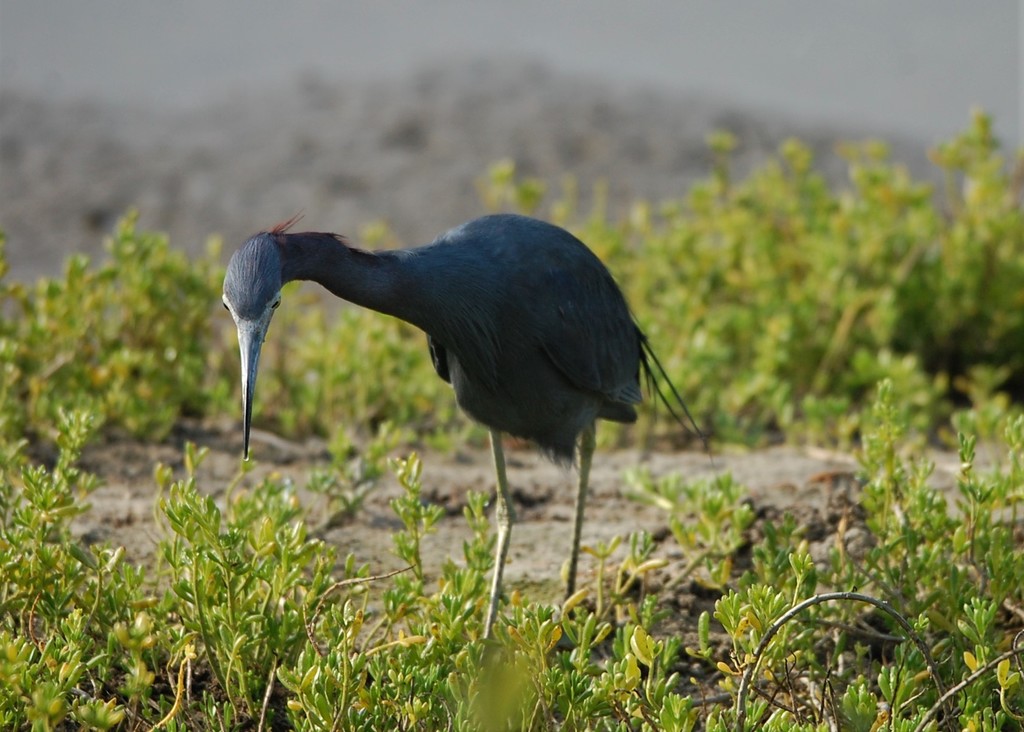
The Laguna Madre coastal area is especially important for migration birds and waterfowls. Some species migrate from as far north as Canada to spend the winter in this warmer, resource rich, region. For these feathered friends, the area becomes a seasonal home where food is plentiful and conditions are more forgiving.
A Habitat Shaped by Tides
The habitat here is tidal, meaning water levels rise and fall with the ocean tides throughout the day. This constant change shapes how birds interact with the environment. Shallow waters make it easier for birds to hunt, while nearby freshwater ponds offer places to bathe and cool off.
Having access to both freshwater and saltwater habitats is something that makes this area uniquely attractive to local and wintering birds.
Seeing Birds Up Close
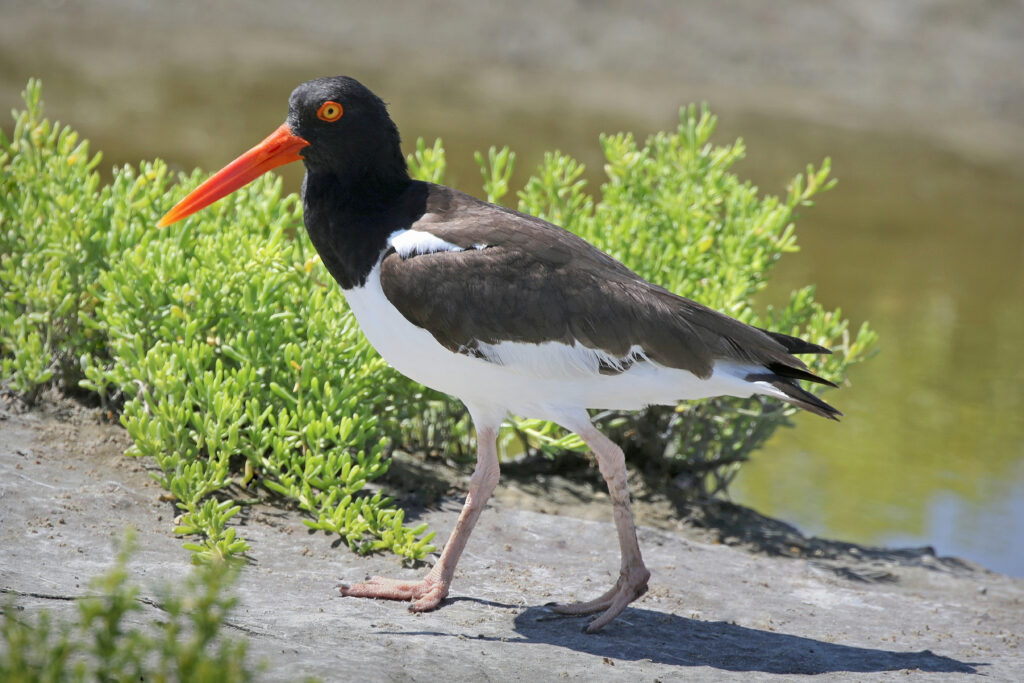
This K12 Virtual Field Trip was led by Javi, with Cassandra helping behind the scenes. One standout moment was seeing how Javi used a bird watching spotting scope paired with a smartphone adapter to share close-up views of birds in real time.
For viewers at home, it felt like sharing the same pair of binoculars! This really made the experience feel immersive and engaging.
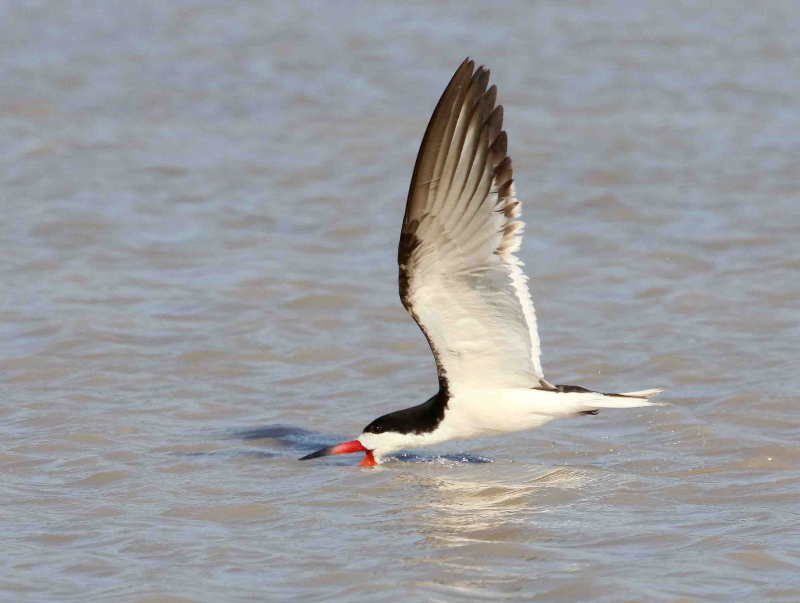
As we moved along the shoreline and wetlands, we saw the following species up close:
- Yellow-Crowned Night Heron – A medium sized wading bird, with a distinctive yellow crown and head markings.
- Great Blue Heron – The largest heron species in North America, its wingspan can reach over 6 feet!
- Redhead ducks – Medium sizes ducks with an impressive copper-colored head. During the winter months they migrate to warm the areas like Laguna Madre.
- Northern Pintails – Seen resting quietly along the shoreline, these elegantly colored ducks were taking a break during their long migration.
- American Coots – Sometimes mistaken for ducks because of how they swim, coots are actually a different type of bird altogether, playfully referred to as “water chickens.”
- White Ibis – A medium sized wading bird. We observed one showing off its long, curved bill that is used for catching food in shallow water.
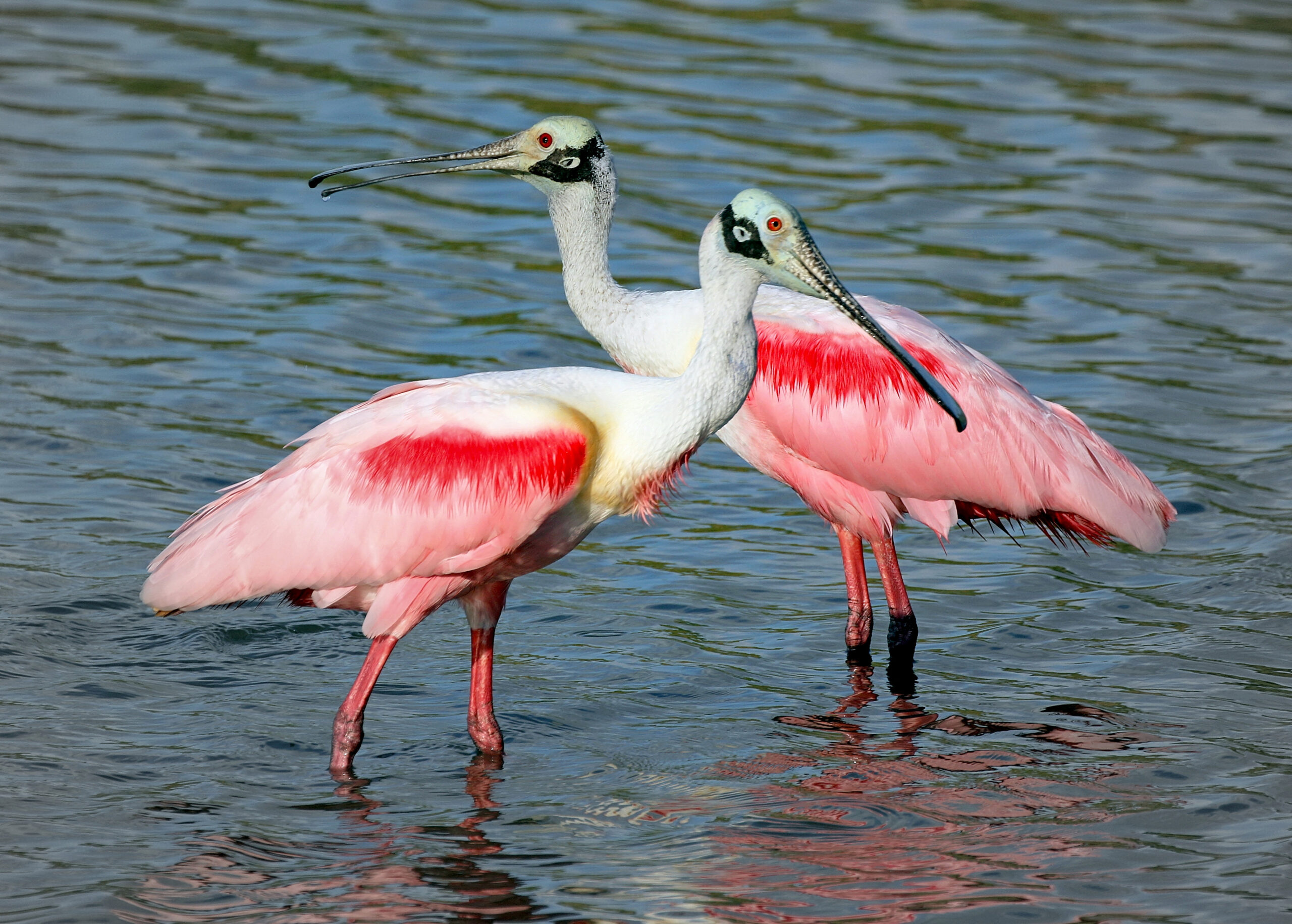
- Roseate Spoonbills – Bright pink in color, these birds are frequently confused with flamingos! Though, their unique spoon-shaped bill makes them a completely different species.
- Black-bellied Whistling Ducks – Commonly found in wetlands, these are year-round Texas residents. They are easily recognized by their long neck and distinctive whistling calls.
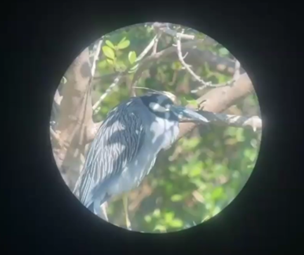
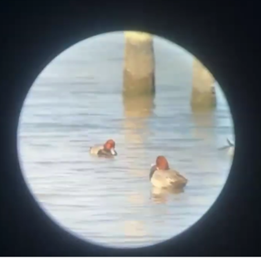
As each species came into view, Javi shared insights into their diets, behaviors, and migration patterns. Altogether, this connected each sighting to the larger story of bird ecology and why protecting these habitats is so important.
Keep Exploring Nature From Anywhere
This K12 Virtual Field Trip showed how migration and conservation are closely connected. By learning more about tidal wetlands, viewers discovered why birds depend on this important place And, viewing wildlife through innovative technology made it feel personal and engaging, even from afar.
Be sure to watch the recording if you missed it and sign up for future K12 Virtual Field Trips to continue exploring and learning directly from experts in the field.
If you are in the south Texas area, you can visit the South Padre Island Birding & Nature Center & Alligator Sanctuary in person. Join them for guided tours, exciting events, or journey on a self-guided walk for some great bird watching. Visit their website at https://www.spibirding.org/ to learn more about all the amazing adventures this place has this place has to offer.