A K12 Virtual Field Trip to Rockfish Wildlife Sanctuary
What does a wildlife sanctuary do when an injured or orphaned animal needs help? Students learned the answer during a recent K12 Virtual Field Trip to Rockfish Wildlife Sanctuary. Executive Director Sarah Cooperman led the session and gave students a closer look at wildlife rehabilitation, animal care, and the sanctuary’s education ambassadors.
Introducing Rockfish Wildlife Sanctuary
Rockfish Wildlife Sanctuary is a nonprofit organization located on 21 acres in rural Virginia. It sits south of Charlottesville, near Shenandoah National Park.
The sanctuary has around 50 enclosures for different local species, plus an indoor facility with a nursery space for young animals who need frequent feeding or specialized care.
Rockfish focuses on three primary areas: wildlife rehabilitation, public education, and community collaboration. Its team rescues and cares for injured or orphaned local wild animals. When an animal is ready, the team works hard to return them back to the wild.
Sarah explained how much preparation goes into a release. Each animal needs to be able to find food, climb or fly when needed, avoid people, and reach the right age and size to survive on its own.
Meet the Animal Ambassadors
One of the highlights of the K12 Virtual Field Trip was meeting three animal education ambassadors!
Sarah explained why these animals live in the sanctuary, as each one is non-releasable. Some are too comfortable around people; others faced health or care issues before arriving at Rockfish.
Sarah described the ambassadors as her “coworkers,” careful not to associate them as her pets. Their job is to help students learn about wildlife while living in spaces designed for their needs.
Athar the Eastern Box Turtle
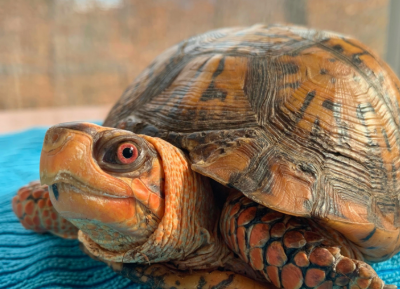
First, students met Athar, an eastern box turtle who has lived at Rockfish for almost a decade.
Sarah showed Athar while explaining several box turtle adaptations, including camouflage and a strong shell for protection.
Students also learned an important wildlife safety lesson. Box turtles live within small home territories and know these areas well. Moving a turtle far away from where you found it can put the animal at risk.
If you see a turtle crossing a road, an adult should move it only across the road in the same direction it was heading. You can usually find this out by seeing which direction the turtle’s head is facing!
Autumn the Corn Snake
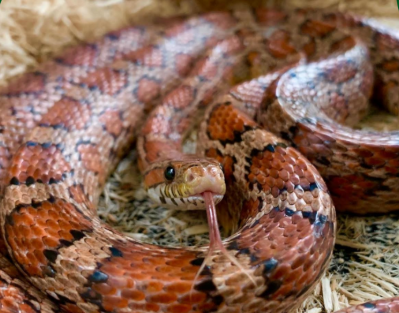
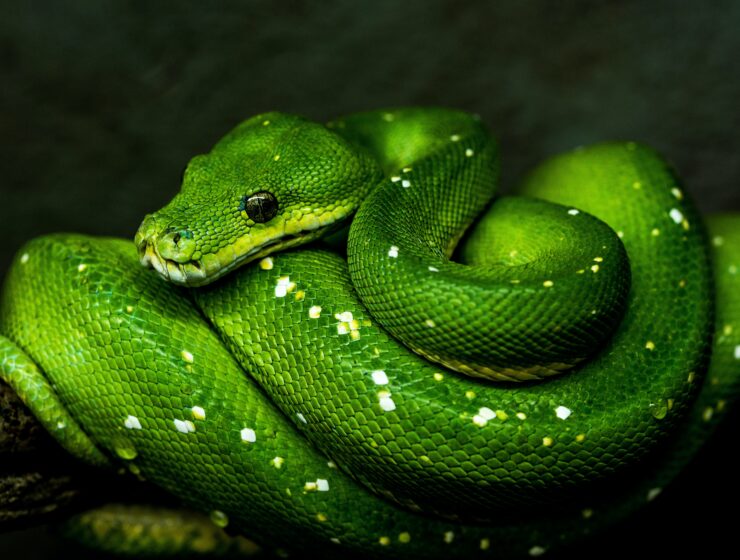
Next, students met Autumn, a corn snake and a longtime Rockfish ambassador.
Sarah held Autumn while addressing some common fears about snakes. She explained, as Autumn settled in, how snakes help control rodent populations and support healthy ecosystems.
Students also got a close look at Autumn’s forked tongue! Snakes use their tongues to collect scent particles from the air. The forked shape helps them sense which direction the smells come from.
Autumn also gave students a good example of ectothermy. Snakes rely on their surroundings to help regulate body temperature, like warming up in the sun or cooling off in the shade.
Fiona the Virginia Opossum
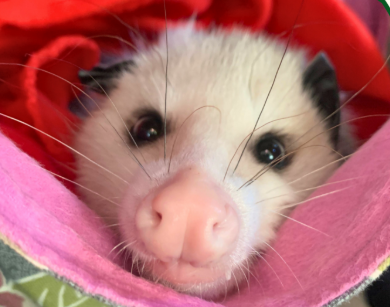
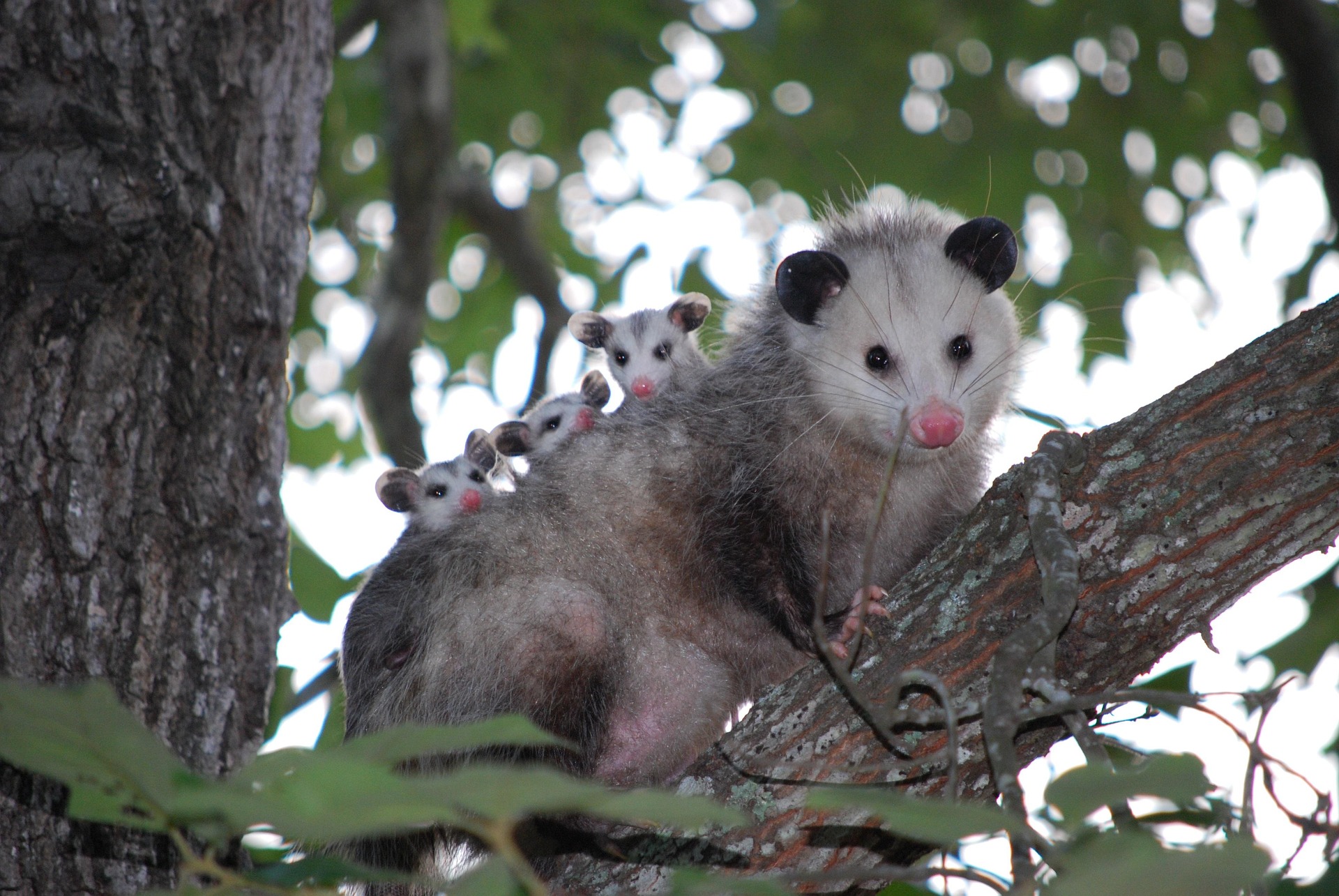
The final ambassador was Fiona, a Virginia Opossum. Fiona joined the session for a snack when Sarah placed some soaked food on a mat and used the food to encourage Fiona out of her travel crate. Students watched her eat as Sarah shared more about opossum anatomy and behavior.
Fiona has lived at Rockfish for about two years. Before arriving at the sanctuary, someone tried to raise her without help from a licensed wildlife rehabilitator. Sadly, she did not receive the right nutrition and developed a bone disease. Her bones became weaker, so returning her to the wild was no longer safe.
She now serves as an educator animal ambassador.
Students also learned about several opossum traits. Virginia opossums are marsupials, which means females have pouches for carrying their babies. Their prehensile tails help them grip food, branches, and other objects.
Rockfish cares for about 200 to 250 orphaned opossums each year. Opossums make up the largest number of any single species the sanctuary sees!
Learning About Wildlife Careers
Sarah also gave students a look at different careers in wildlife rehabilitation.
The work includes feeding young animals, cleaning enclosures, preparing food, tracking development, providing enrichment, and preparing animals for release.
For students interested in wildlife careers, Sarah recommended looking for internships or volunteer opportunities at accredited wildlife centers when students are old enough.
Did you know that families always have ways to support wildlife organizations too? Sarah suggested looking into donations, supply drives, fundraisers, and other community support efforts. If you feel called to do so, research wildlife sanctuaries in your community for ways you can help.
Keep learning
Thank you to Sarah and the Rockfish Wildlife Sanctuary team for sharing their incredible work with students.
Athar, Autumn, and Fiona gave students a closer look at how animals live, adapt, and interact with their environments. Sarah also showed students how trained wildlife rehabilitators play an important role in caring for animals who need help.
Visit Rockfish Wildlife Sanctuary’s website to learn more about their work and check out their Backyard Habitat page, an interactive source for ways you can help local animals that you might find in your own backyard.
Continue Your Wildlife Adventure with K12 Virtual Field Trips
Be sure to watch the recording of Helping Wildlife Heal and Thrive with the Rockfish Wildlife Sanctuary to meet these animal ambassadors and revisit the session.
Finally, check out upcoming K12 Virtual Field Trips here, where you can sign up for future sessions.